I saw the future of AI on Netflix. It skips hype and finds a purpose
When you think of AI, names like Google, Microsoft, and OpenAI pop up in your mind. Netflix, the world’s biggest streaming platform, doesn’t quite sou

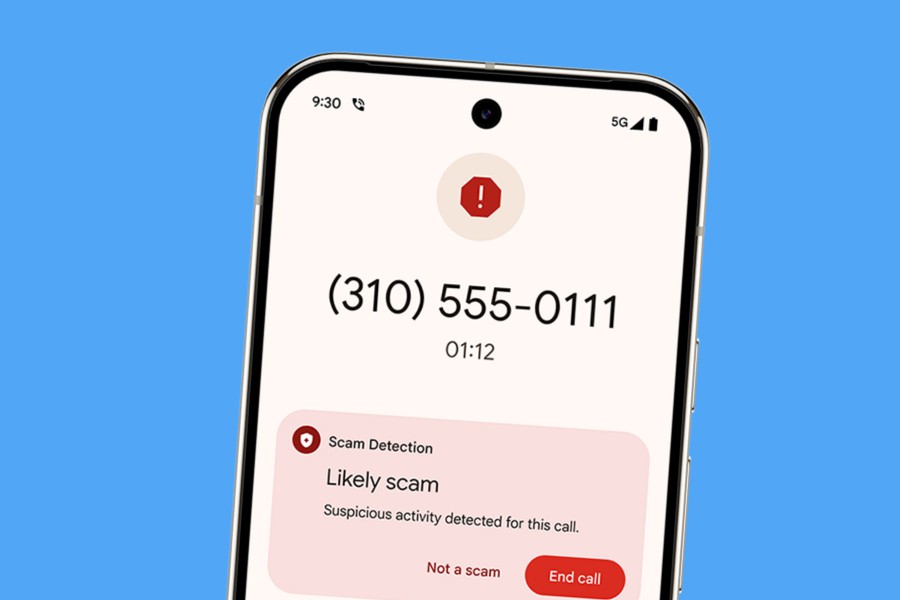
Over three months ago, Google started beta testing a new safety feature for Pixel phones that can sense signs of a fraud in voice calls using AI analysis. Today, Google has officially launched the Scam Detection feature for calls, alongside a similar con-screening system for messages.
Every year, smartphone users lose millions of dollars to elaborate schemes across the world. The problem is so rampant that the US Office of Inspector General and the Federal Trade Commission have published guidelines on recognising and reporting such deception.
To look for signs of scam in an ongoing call, Google is pushing the natural language understanding of on-device Gemini Nano AI on Pixel phones. The AI will listen to the ongoing telephonic conversation in real time, and if it detects a risky pattern, an alert will pop up.

Users will be notified via an audio cue, haptic feedback, as well as on-screen notification that the caller is likely trying to dupe them. Google says it worked with financial institutions to study the most common patterns employed by bad actors.
For example, if the caller is trying to extract sensitive details such as banking information, coaxing users to install an app, offering freebies, or tries switching to another communication platform, the Scam Detection system will kick into action and raise an alarm.
Google says it is rolling out Scam Detection in call for all Pixel 9 series users in the US, starting with support for English language. The company tested this feature with other AI models on older Pixel phones, as well, but found the approach to be less effective compared to on-device Gemini Nano AI.
Scam Detection will only be activated for unsaved numbers, and no audio recordings are saved or passed through cloud servers. It’s a fully on-device implementation. This feature is off by default, and it can be disabled mid-way through a call, as well.
The idea is to proactively look for problematic patterns, if the first line of defense such as spam call blocking fails. “Traditional spam protections are focused on protecting users before the conversation starts, and are less effective against these latest tactics from scammers that turn dangerous mid-conversation and use social engineering techniques,” says Google.

The Messages app by Google already offers a robust suite of spam reporting tools. It is now landing support for Scam Detection, as well, just the way it has been implemented for voice calls.
Google says the on-device AI will keep an eye on SMS, MMS, and RCS conversations, and will alert users as soon as it detects risky chat patterns.
All the chats are analyzed on-device, and only when users to choose to flag the sender as fraudulent that the scammer’s details and messages are shared with Google and carriers.
Unlike its calling counterpart, Scam Detection in Messages is enabled by default, but it can be turned off at any given point in time. This feature is rolling out more broadly to English-speaking users in the US, UK, and Canada.
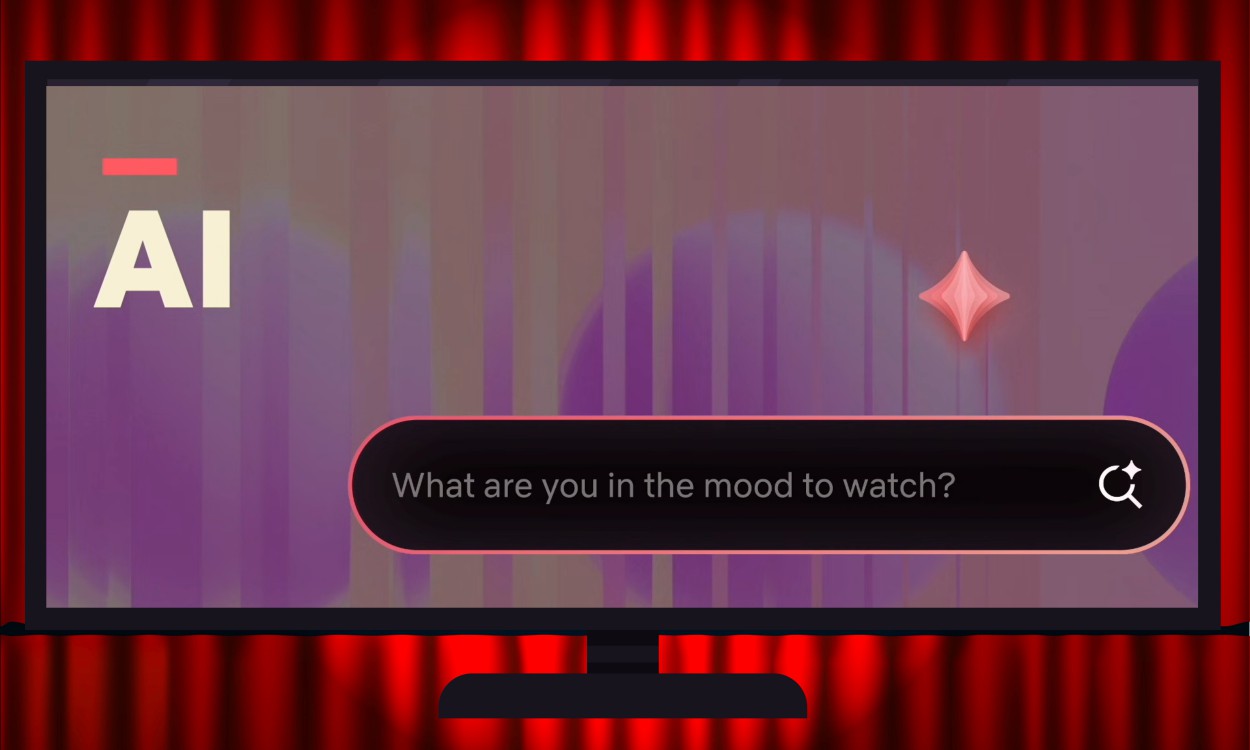
When you think of AI, names like Google, Microsoft, and OpenAI pop up in your mind. Netflix, the world’s biggest streaming platform, doesn’t quite sou

You may have occasionally joked about how companies these days seem to be falling over themselves to launch something, anything, that has AI, even jus
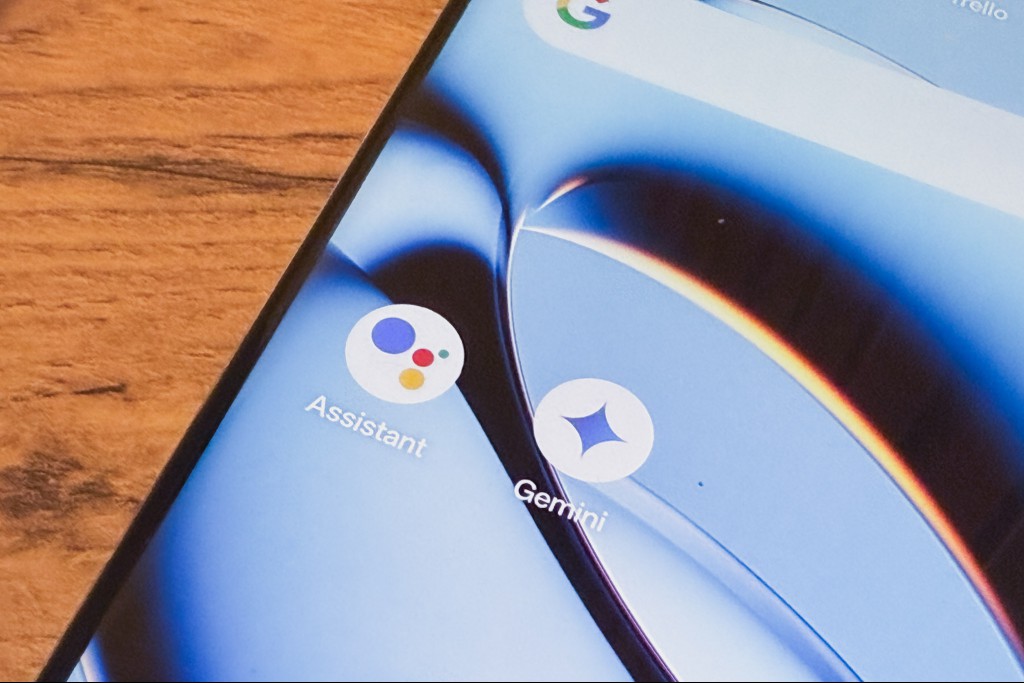
The writing has been on the wall for a while, but the shift away from Google Assistant is now official. Google has announced that it will shift users

Google recently announced that Gemini will soon replace Google Assistant everywhere, from your phone and smartwatches to smart home speakers. ChromeOS

Machine learning platform, Hugging Face, has released an iOS app that will make sense of the world around you as seen by your iPhone’s camera. Just po

Derek Malcolm / Digital TrendsIn a move expected to dramatically increase the quantity of available audiobooks, Spotify announced on Thursday that wil
We are a dynamic information platform dedicated to delivering timely, relevant, and reliable content across a broad spectrum of topics. From the latest in technology and business to lifestyle, health, and global affairs, we aim to keep our readers informed and inspired.
Our editorial team is committed to maintaining high standards of accuracy and clarity, ensuring that every article provides value and context in an ever-changing world. We believe in the importance of accessible knowledge and strive to make complex topics understandable for everyone.
Whether you're here to stay updated on current events, explore thought-provoking features, or simply learn something new, our goal is to offer a trustworthy source of information that meets the needs of a diverse and curious audience.