I loved this AI-first web browser, but experts warned me of ‘free’ AI
“If you’re not paying for the product, you are the product.” Bogdan Onikiienko, an engineer at MacPaw, dropped that hard-hitting quote on me after usi

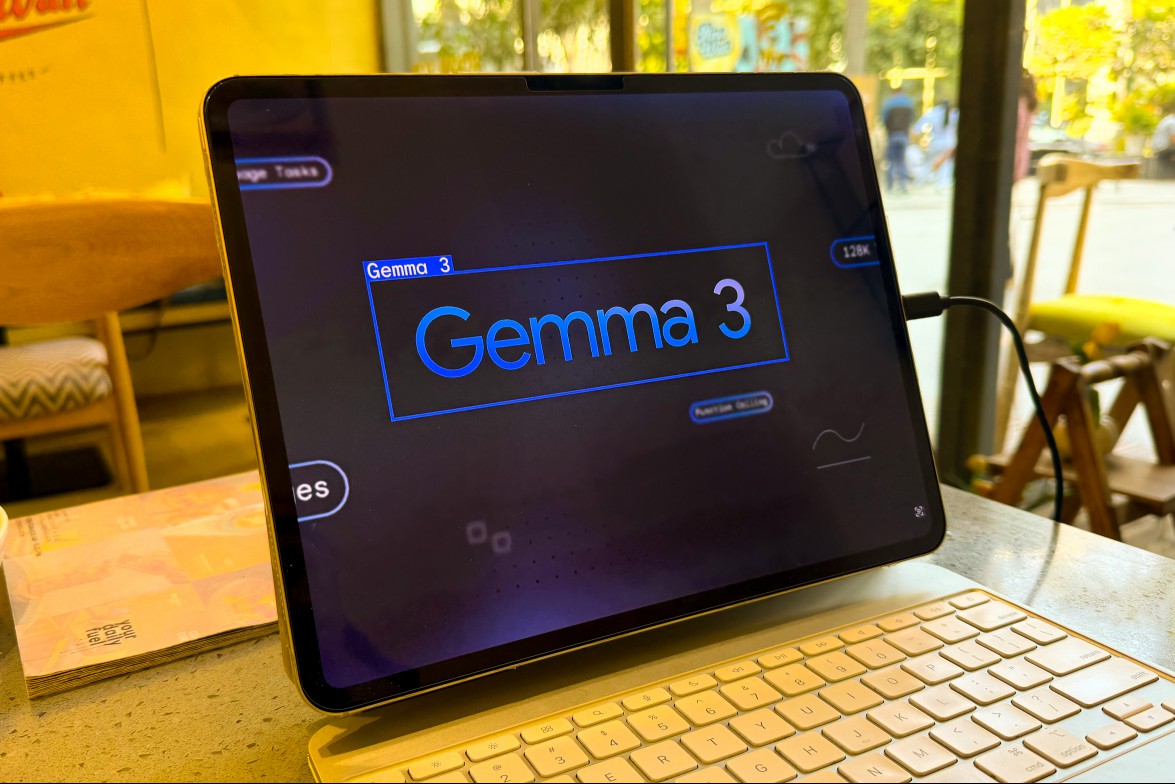
Google’s AI efforts are synonymous with Gemini, which has now become an integral element of its most popular products across the Worksuite software and hardware, as well. However, the company has also released multiple open-source AI models under the Gemma label for over a year now.
Today, Google revealed its third generation open-source AI models with some impressive claims in tow. The Gemma 3 models come in four variants — 1 billion, 4 billion, 12 billion, and 27 billion parameters — and are designed to run on devices ranging from smartphones to beefy workstations.
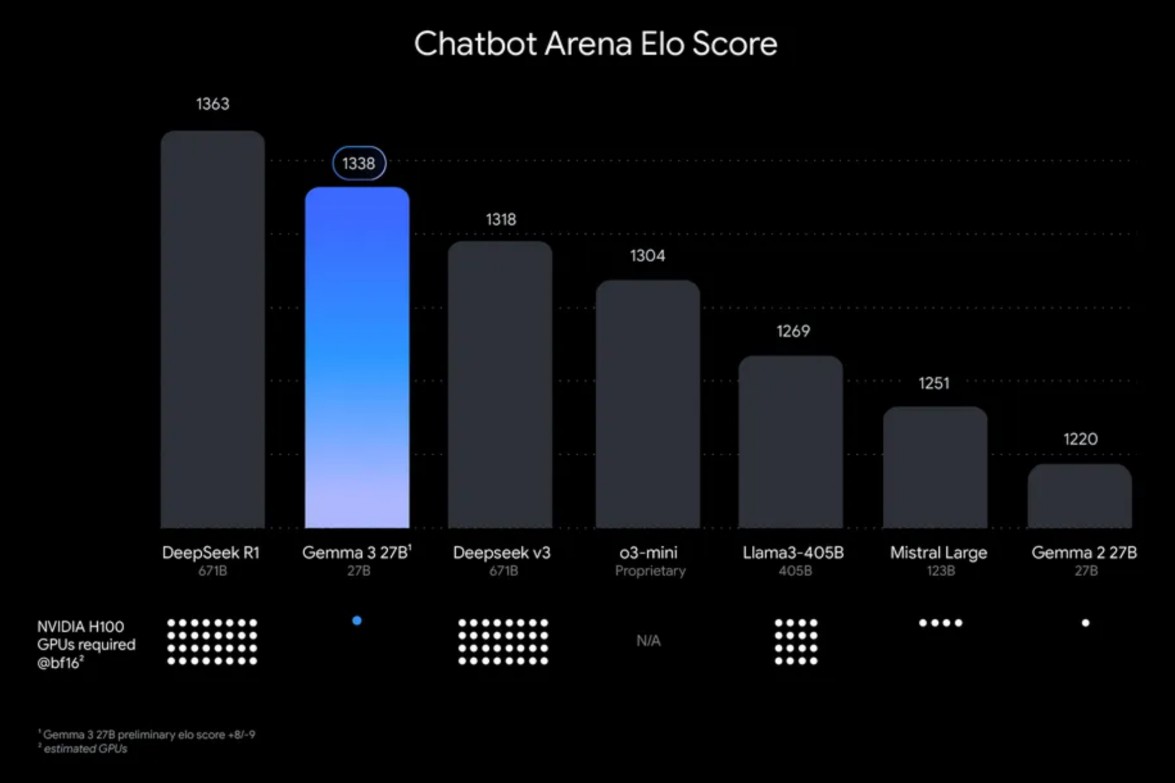
Google says Gemma 3 is the world’s best single-accelerator model, which means it can run on a single GPU or TPU instead of requiring a whole cluster. Theoretically, that means a Gemma 3 AI model can natively run on the Pixel smartphone’s Tensor Processing Core (TPU) unit, just the way it runs the Gemini Nano model locally on phones.
The biggest advantage of Gemma 3 over the Gemini family of AI models is that since it’s open-source, developers can package and ship it according to their unique requirements inside mobile apps and desktop software. Another crucial benefit is that Gemma supports over 140 languages, with 35 of them coming as part of a pre-trained package.
And just like the latest Gemini 2.0 series models, Gemma 3 is also capable of understanding text, images, and videos. In a nutshell, it is multi-multimdal. On the performance side, Gemma 3 is claimed to surpass other popular open-source AI models such as DeepSeek V3, the reasoning-ready OpenAI o3-mini, and Meta’s Llama-405B variant.
Taking about input range, Gemma 3 offers a context window worth 128,000 tokens. That’s enough to cover a full 200-page book pushed as an input. For comparison, the context window for Google’s Gemini 2.0 Flash Lite model stands at a million tokens. In the context of AI models, an average English language word is roughly equivalent to 1.3 tokens.

Gemma 3 also supports function calling and structured output, which essentially means it can interact with external datasets and perform tasks like an automated agent. The nearest analogy would be Gemini, and how it can get work done across different platforms such as Gmail or Docs seamlessly.
The latest open-source AI models from Google can either be deployed locally, or through the company’s cloud-based platforms such as the Vertex AI suite. Gemma 3 AI models are now available via the Google AI Studio, as well as third-party repositories such as Hugging Face, Ollama, and Kaggle.
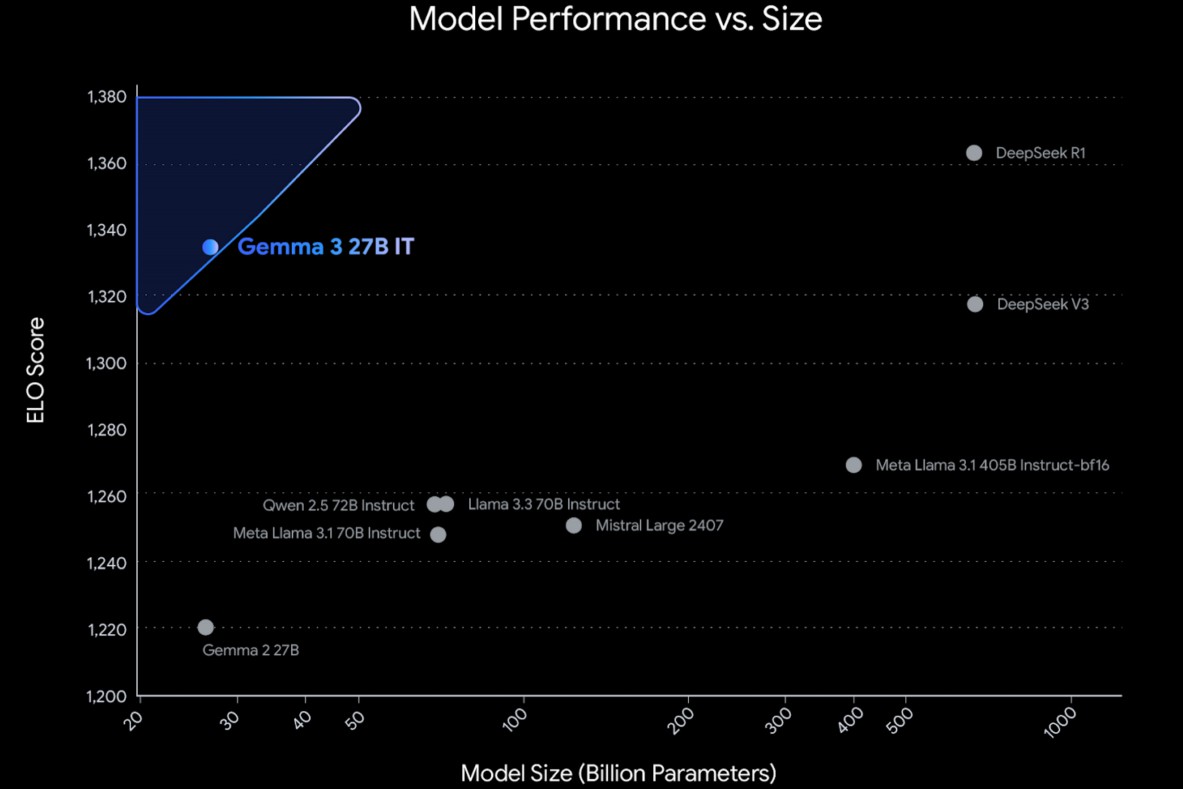
Gemma 3 is part of an industry trend where companies are working on Large Language Models (Gemini, in Google’s case) and simultaneously pushing out small language models (SLMs), as well. Microsoft also follows a similar strategy with its open-source Phi series of small language models.
Small language models such as Gemma and Phi are extremely resource efficient, which makes them an ideal choice for running on devices such as smartphones. Moroever, as they offer a lower latency, they are particularly well-suited for mobile applications.

“If you’re not paying for the product, you are the product.” Bogdan Onikiienko, an engineer at MacPaw, dropped that hard-hitting quote on me after usi

Meta has tasted quite some unprecedented success with its camera-equipped smart glasses made in collaboration with Ray-Ban. They started off with soci
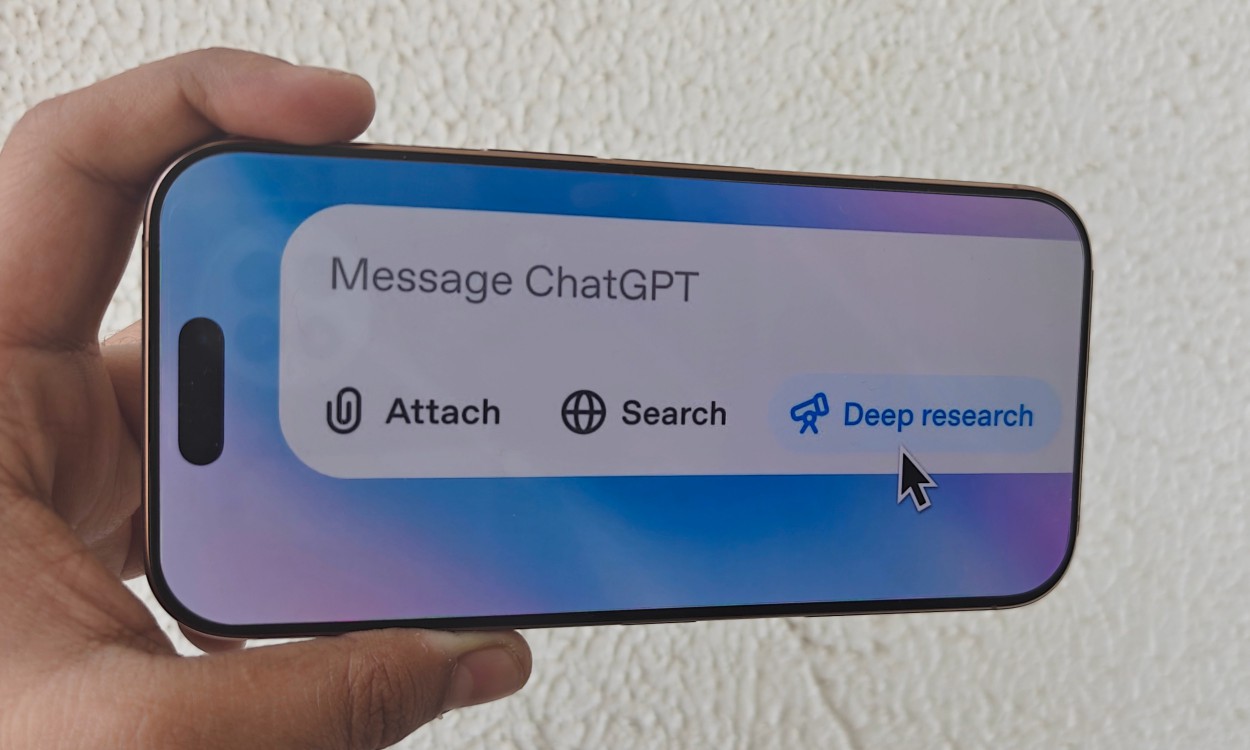
Artificial intelligence brands are in fierce competition, and their next steps are to make AI tools smarter by allowing them to execute deep search fu

Even though MidJourney set out to be one of the most promising image generation models in the early days of AI, it appears to have fallen behind more
OpenAI has made it clear that its flagship AI service, ChatGPT is not intended for malicious use.The company has released a report detailing that it h
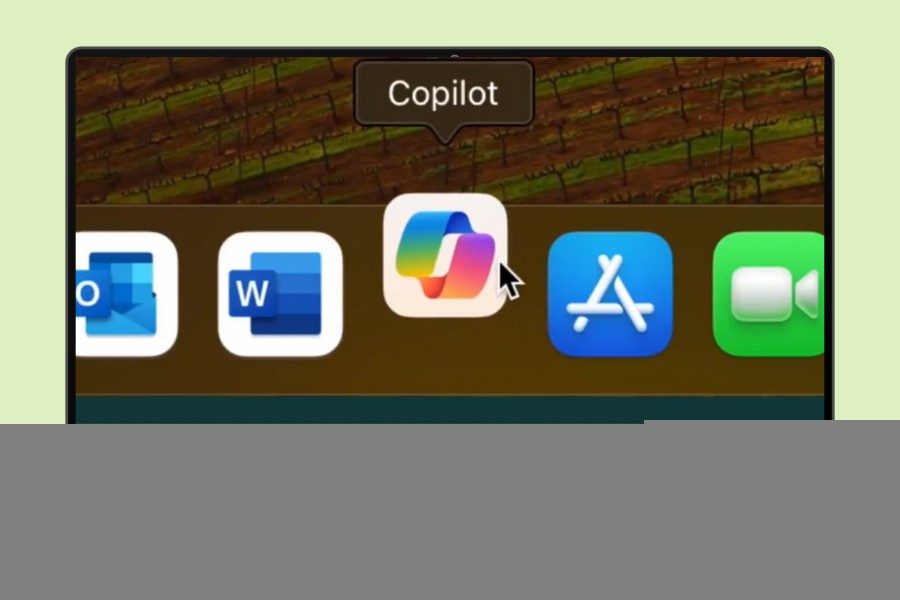
Microsoft has today launched a dedicated Copilot app for Mac. For now, the app is only available for users in the US and UK, but it’s already loaded w
We are a dynamic information platform dedicated to delivering timely, relevant, and reliable content across a broad spectrum of topics. From the latest in technology and business to lifestyle, health, and global affairs, we aim to keep our readers informed and inspired.
Our editorial team is committed to maintaining high standards of accuracy and clarity, ensuring that every article provides value and context in an ever-changing world. We believe in the importance of accessible knowledge and strive to make complex topics understandable for everyone.
Whether you're here to stay updated on current events, explore thought-provoking features, or simply learn something new, our goal is to offer a trustworthy source of information that meets the needs of a diverse and curious audience.